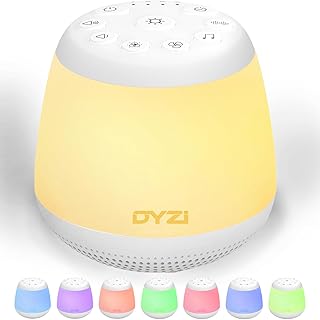
Choosing Right Humidifier for Baby Sleep in 2026
As parents navigate the myriad of products available in 2026, choosing the right humidifier for a baby's sleep environment has become a crucial decision. The benefits of maintaining optimal humidity levels in a nursery are well documented, aiding in better sleep quality and overall health for infants. With advancements in technology and product design, selecting a humidifier tailored to your baby's needs has never been more accessible. This guide aims to provide comprehensive insights on what features to look for when choosing a humidifier specifically for your little one.
Understanding Humidity and Its Impact
In 2026, understanding humidity is essential for fostering a comfortable sleep environment for your baby. Humidity levels between 40 and 60 percent are ideal for preventing dryness that can lead to respiratory issues and skin irritations. A humidifier can help maintain these levels, making it a vital tool for ensuring your baby's comfort. Additionally, during colder months, indoor air can become excessively dry due to heating systems. This often results in discomfort for babies, leading to restless nights. Thus, selecting a humidifier is not just about comfort; it is also about health.
Benefits of Using a Humidifier
There are several benefits to using a humidifier in your baby's nursery. For example, it can help alleviate symptoms of colds and allergies by keeping nasal passages moist. This is particularly important for babies who are more susceptible to respiratory infections. Furthermore, humidifiers can prevent dry skin and chapped lips, ensuring that your baby's skin remains hydrated. Parents may notice fewer instances of coughing and snoring, contributing to a more peaceful sleep environment.
Moreover, the soothing sound of a humidifier can provide white noise, which may help lull babies to sleep more easily. In 2026, many parents are opting for models that combine humidification and sound features, providing a comprehensive solution for sleep enhancement.
Types of Humidifiers Available in 2026
When selecting a humidifier, parents in 2026 will encounter several types, including evaporative, ultrasonic, steam vaporizers, and impeller humidifiers. Each type has its own set of advantages and considerations.
People Also Look For:
- Earnest Living Baby 3-in-1 Cool Mist Humidifier with Essential Oil Diffuser + Nightlight, BPA Free Humidifier for Baby/Kids Bedroo...
- Cute Pink Butterfly Wall Decor 24 pcs, Girls Room Wall Decals, Danish Pastel Aesthetic Butterflies Stickers for Nursery Decoration...
- 500ml Air Humidifier, Ultra Quiet Room Air Humidifier, Portable Air Purifier, with LED Night Light, Waterless Automatic Shut-Off f...
- Fenteer Kid Bedroom Nursery Decoration Shatterproof Acrylic Mirror Bunny Butterfly Baby Shower Decor Gift,
- Humidifier, Waiybbit 3L Humidifier for Bedroom (Lasts Up to 20 Hours), Air Humidifiers for Home with Color Changing Night Light fo...
Evaporative Humidifiers
Evaporative humidifiers use a fan to blow air through a wet wick or filter, evaporating water into the air. This type is self-regulating because as humidity levels rise, the evaporation rate decreases. These units are often considered safe for babies due to their inherent design, which reduces the risk of over-humidifying a room.
Ultrasonic Humidifiers
Ultrasonic humidifiers are popular in 2026 due to their quiet operation and energy efficiency. They use ultrasonic vibrations to create a fine mist, which can be either cool or warm. Parents appreciate the versatility these devices offer, as many models allow for temperature adjustments. However, it is essential to keep these units clean to prevent the growth of mold and bacteria.
Steam Vaporizers
Steam vaporizers heat water to create steam, which cools before entering the room. While effective for increasing humidity, they can be unsafe around curious infants due to the risk of burns. Parents should weigh the benefits against potential hazards when considering this option.
Impeller Humidifiers
Impeller humidifiers use a rotating disk to fling water into the air, creating a cool mist. These devices are also relatively quiet and do not require filters, making them easy to maintain. They are suitable for various room sizes and can be an excellent choice for parents looking for an efficient and low-maintenance solution.
Key Features to Consider
When selecting a humidifier for your baby in 2026, consider key features that enhance usability and safety. For instance, built-in hygrometers allow parents to monitor humidity levels accurately. Many modern humidifiers also come equipped with automatic shut-off features, which turn the device off when the desired humidity level is reached or when the water tank is empty.
- Noise Level: Look for models that operate quietly to avoid disturbing your baby's sleep.
- Size and Capacity: Choose a unit that fits your nursery size, ensuring it can run for extended periods without frequent refills.
- Ease of Cleaning: Select humidifiers with accessible designs that make it easy to clean and maintain.
- Filter Requirements: Consider whether you prefer a unit that requires filters or one that does not, as this impacts maintenance.
Additionally, some humidifiers come with built-in essential oil diffusers, allowing parents to incorporate soothing scents into the nursery. However, it is crucial to research which essential oils are safe for babies before adding them to the humidifier.
Safety Considerations
Safety is paramount when choosing a humidifier for your baby. In 2026, parents should be aware of the potential risks associated with various types of humidifiers. For example, steam vaporizers can pose burn hazards, and it is advisable to keep them out of reach. Always position humidifiers safely away from cribs and changing tables.
Moreover, regular maintenance is essential to ensure that the humidifier does not become a breeding ground for mold or bacteria. Cleaning the unit as recommended by the manufacturer will help ensure a healthy environment. Some models include features that indicate when it is time for cleaning, making maintenance more manageable.
Choosing the Right Size
Selecting the right size humidifier for your baby's room is vital for effective humidity management. Measure the room size to determine the appropriate capacity needed. Larger rooms require humidifiers with higher output to maintain optimal humidity levels, while smaller units are suitable for compact spaces. In 2026, many manufacturers provide guidelines on their products regarding ideal room sizes, making it easier for parents to make informed choices.
When evaluating size, consider the tank capacity as well. A larger tank means less frequent refills, which can be particularly beneficial during the night. Parents can find models designed specifically for nurseries, ensuring they meet the unique needs of a baby's sleeping environment. In 2026, the focus on nursery-specific designs reflects a growing awareness of the importance of tailored solutions for infants.